Understanding Thatch: What It Is, Why It Matters and How to Remove It
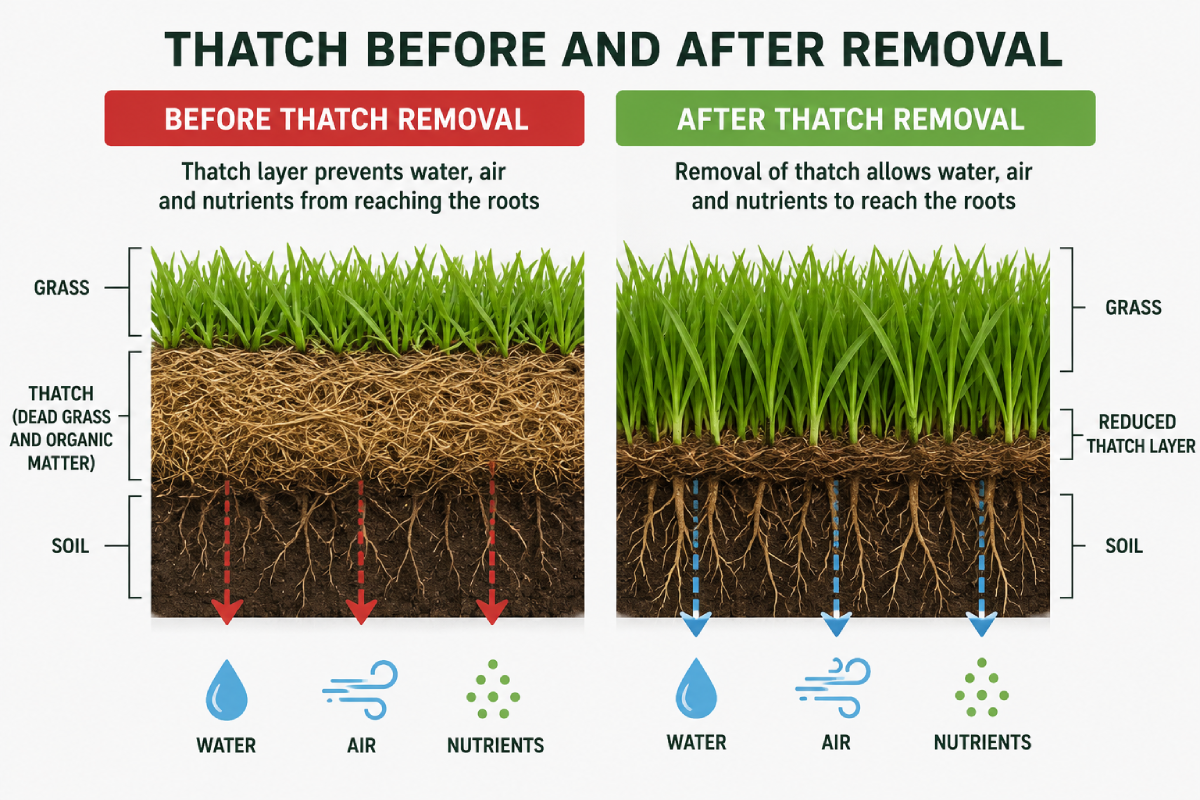
A healthy turf surface depends on much more than regular mowing and fertilisation. One of the most common issues affecting sports turf, golf courses and fine lawns is the build-up of thatch. While a small amount of thatch can be beneficial, excessive accumulation can quickly lead to poor turf performance, increased disease pressure and declining playing quality.
Understanding what thatch is and how to manage it effectively is essential for maintaining healthy, resilient turf throughout the year.
What is Thatch?
Thatch is a layer of dead and living organic material that accumulates between the green vegetation and the soil surface. It is primarily made up of dead grass stems, leaves,roots, rhizomes, stolons and other organic debris that decompose more slowly than they are produced.
A thin layer of thatch can help protect the turf and provide cushioning. However, when the layer becomes too thick, it begins to create problems that affect both turf health and playability.
What Problems Does Excessive Thatch Cause?
As thatch accumulates, it forms a dense barrier that restricts the movement of water, air and nutrients into the rootzone. It can also stop fertiliser passing through to the root zone- it just sits on the surface and then is washed off by any rainfall.
Common problems associated with excessive thatch include:
-Reduced water infiltration and drainage- in dry weather it stops valuable water reaching the grass roots. In wet weather it acts as a sponge keeping piches waterlogged.
-Increased surface softness and instability
-Restricted oxygen movement into the soil
-Shallow root development
-Reduced nutrient uptake
-Increased susceptibility to turf diseases
-Greater risk of pest infestations
-Poor tolerance to drought and wear
-Inconsistent playing surfaces
On sports surfaces, excessive thatch can result in softer, slower and less predictable playing conditions. On ornamental lawns, it can lead to poor appearance, weak growth and increased maintenance requirements.
The Importance of Regular Thatch Management
Rather than waiting for severe thatch build-up to occur, turf managers should adopt a proactive maintenance programme that removes organic matter little and often throughout the season.
Regular thatch control helps maintain:
-Firm, true playing surfaces
-Healthy root development
-Improved drainage
-Better nutrient utilisation
-Enhanced disease resistance
-Stronger turf recovery following wear
Fortunately, a range of specialist cassettes can help tackle thatch effectively while supporting long-term turf health.
Scarifier Cassettes:Effective Thatch Removal and Surface Renovation
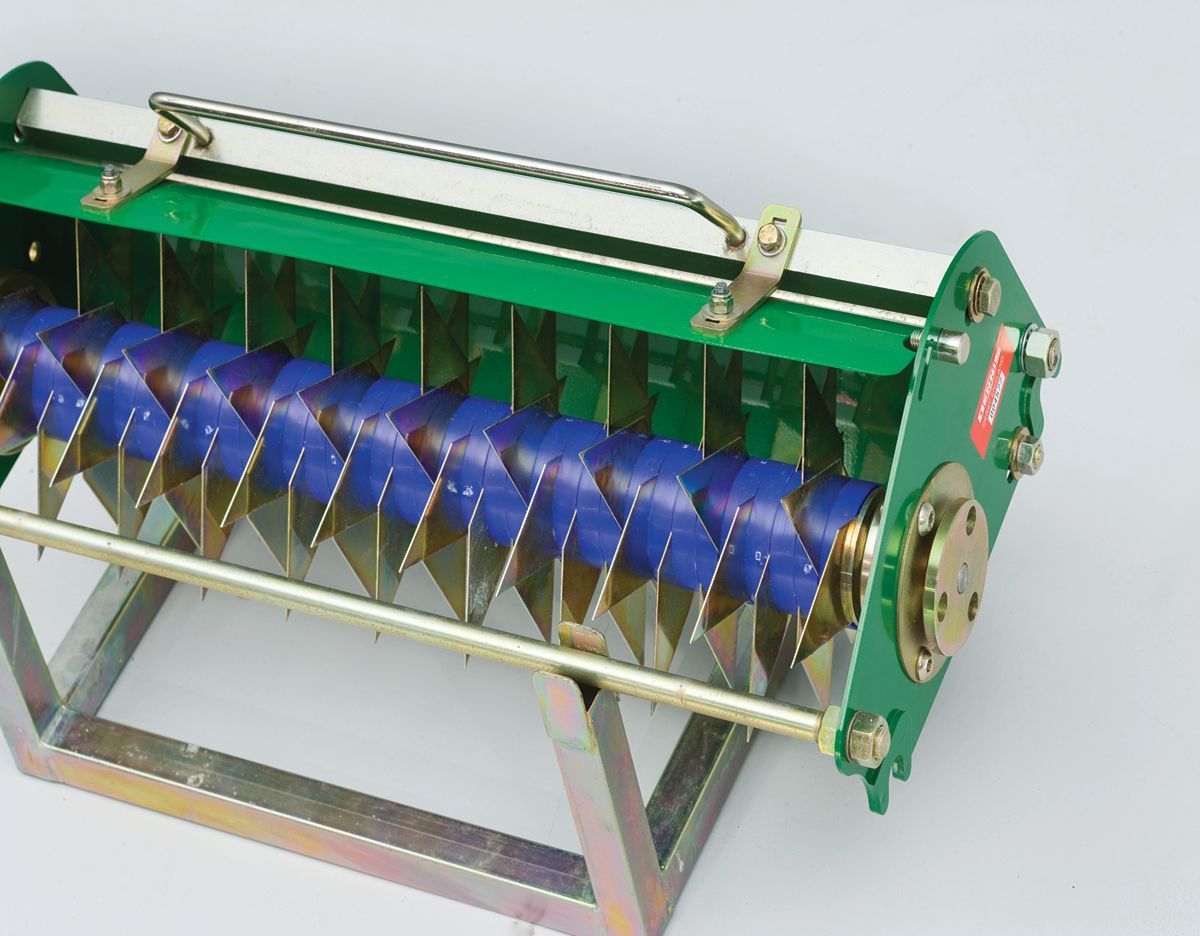
Scarifier cassettes are among the most effective tools available for removing thatch and organic debris from sports turf and fine turf surfaces.
Available options include:
-1mm Scarifier Cassette
-2mm Scarifier Cassette
-2mm Tungsten-Tipped Scarifier Cassette
These cassettes feature replaceable, wear-resistant blades spaced at 12mm intervals, making them suitable for both routine maintenance and more intensive renovation work.
What Do Scarifier Cassettes Do?
Scarifier cassettes are designed to:
-Remove thatch, moss and organic debris
-Open up the turf surface
-Improve airflow into the rootzone
-Reduce the build-up of unwanted organic matter
Benefits of Scarifying
Regular scarifying delivers numerous benefits, including:
-Reduced disease pressure
-Improved drainage
-Enhanced nutrient uptake
-Better oxygen movement into the soil
-Healthier, deeper rooting
-Improved surface firmness and resilience
For intensive renovation programmes, the 2mm tungsten-tipped scarifier offers exceptional durability and wear resistance, making it ideal for demanding applications and high-use surfaces.
Regular scarifying helps maintain a responsive, high-performing surface throughout the playing season while reducing the long-term impact of excessive organic matter accumulation.
Spring Tine Rake: Gentle Thatch Control and Surface Grooming
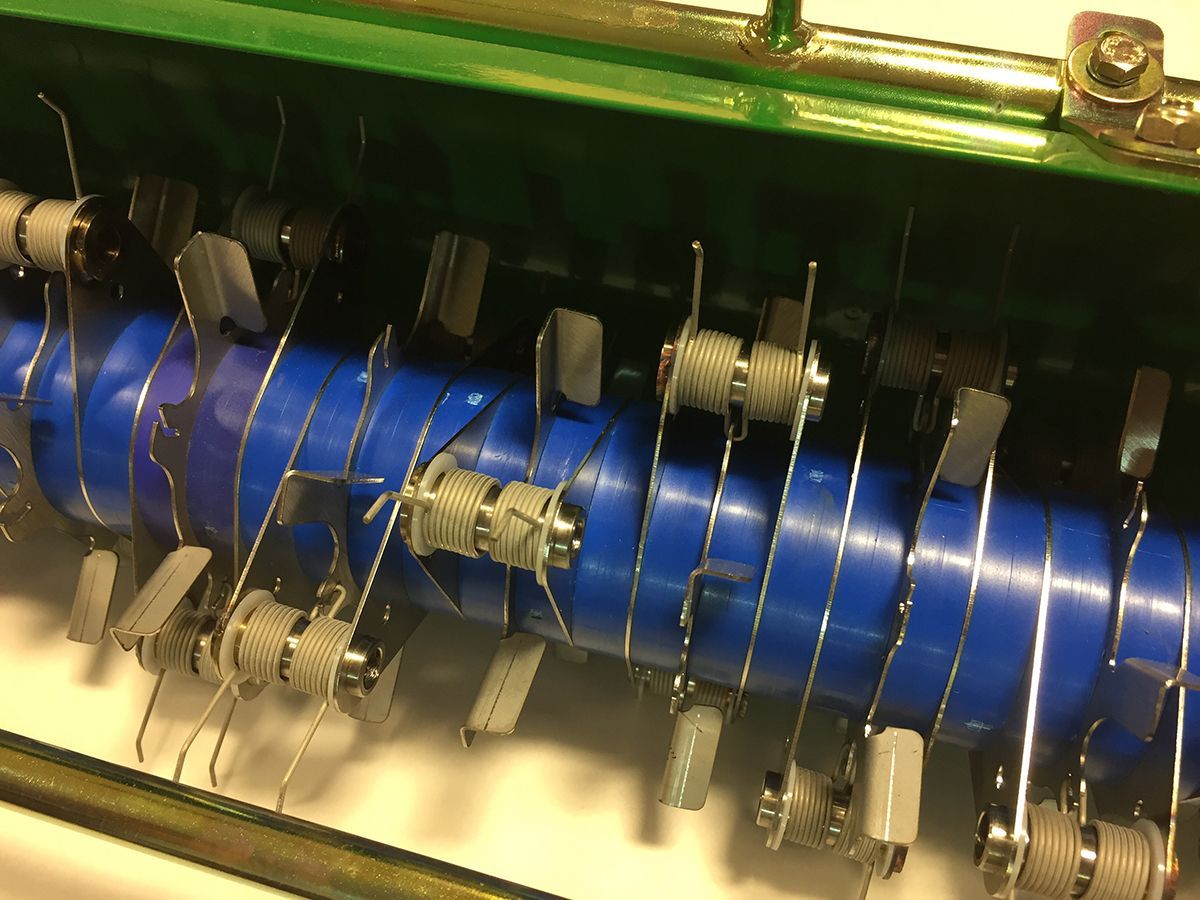
For ongoing maintenance and in-season grooming, the Spring Tine Rake provides an excellent solution.
Often used following matches or periods of heavy use, the Spring Tine Rake offers effective surface grooming while causing minimal disruption to play.
What Does the Spring Tine Rake Do?
The Spring Tine Rake is designed to:
-Lift lateral growth
-Remove dead material and broken leaf tissue
-Groom the surface after play
-Remove thatch from below the surface with minimal disturbance
Because of its gentle action, it can be used regularly throughout the season without negatively affecting surface quality.
Benefits of the Spring Tine Rake
Regular use helps:
-Speed up recovery following matches and training sessions
-Encourage upright grass growth
-Improve presentation and visual appearance
-Enhance airflow through the canopy
-Improve the movement of water, nutrients and oxygen into the soil
-Maintain a cleaner, healthier turf surface
For sports pitches subjected to regular wear, the Spring Tine Rake is an invaluable tool for maintaining turf quality between more intensive maintenance operations.
Choosing the Right Approach
Effective thatch management is rarely achieved with a single operation. Instead, the most successful turf maintenance programmes combine routine grooming with periodic scarification to keep organic matter levels under control.
The Spring Tine Rake is ideal for regular in-season maintenance and light thatch removal, while Scarifier Cassettes provide a more aggressive solution for deeper cleaning and renovation work.
Together, they help create healthier turf, stronger root systems and firmer, more consistent playing surfaces.
Maintaining Healthier Turf All Year Round
Thatch is a natural by-product of turf growth, but when left unmanaged it can significantly affect surface quality, turf health and playability.
By incorporating regular scarifying and grooming into a maintenance programme, turf managers can reduce organic matter build-up, improve rootzone conditions and create stronger, healthier turf capable of performing at its best throughout the year.
Whether you're maintaining a golf course, cricket square, bowling green, football pitch or ornamental lawn, effective thatch management is one of the most important investments you can make in the long-term health and performance of your turf.