Red Thread on Bowling Greens: What Causes It, How to Prevent It and How to Get Rid of It
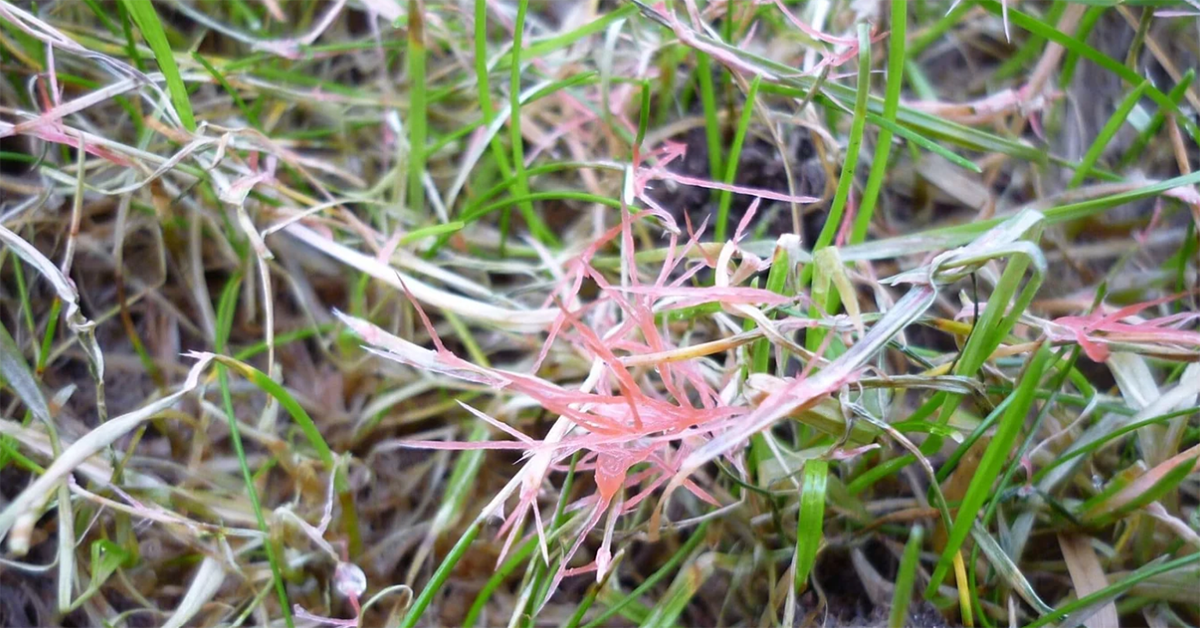
Red thread is a familiar problem for bowling greenkeepers. One day the green appears healthy; a few days of mild, damp weather later, patches of pinkish-red and straw-coloured grass begin to appear across the playing surface.
For a bowling club, this is more than an aesthetic concern. An uneven colour and thinning sward can affect the presentation of the green, raise concerns among members and put additional pressure on the maintenance team.
The good news is that red thread is rarely a serious long-term threat to a well-managed bowling green. In most cases, the disease can be brought under control by identifying the underlying causes, correcting nutritional deficiencies and maintaining conditions that favour healthy turf growth.
The important point is this: the most effective treatment is not necessarily a fungicide. It is understanding why the disease has developed and correcting the conditions that allowed it to take hold.
1. What is red thread disease?
Red thread is a fungal disease caused by Laetisaria fuciformis. It affects the leaves of grass plants and is particularly associated with fine fescues and perennial ryegrasses, both of which may be present on bowling greens.
The fungus can exist within the turf environment without producing obvious symptoms. Disease becomes visible when environmental conditions and the condition of the grass favour its development.
Red thread is most commonly noticed during mild, damp periods, particularly in late summer and autumn. However, outbreaks can occur at other times when conditions are suitable.
How to recognise red thread
The main symptoms are:
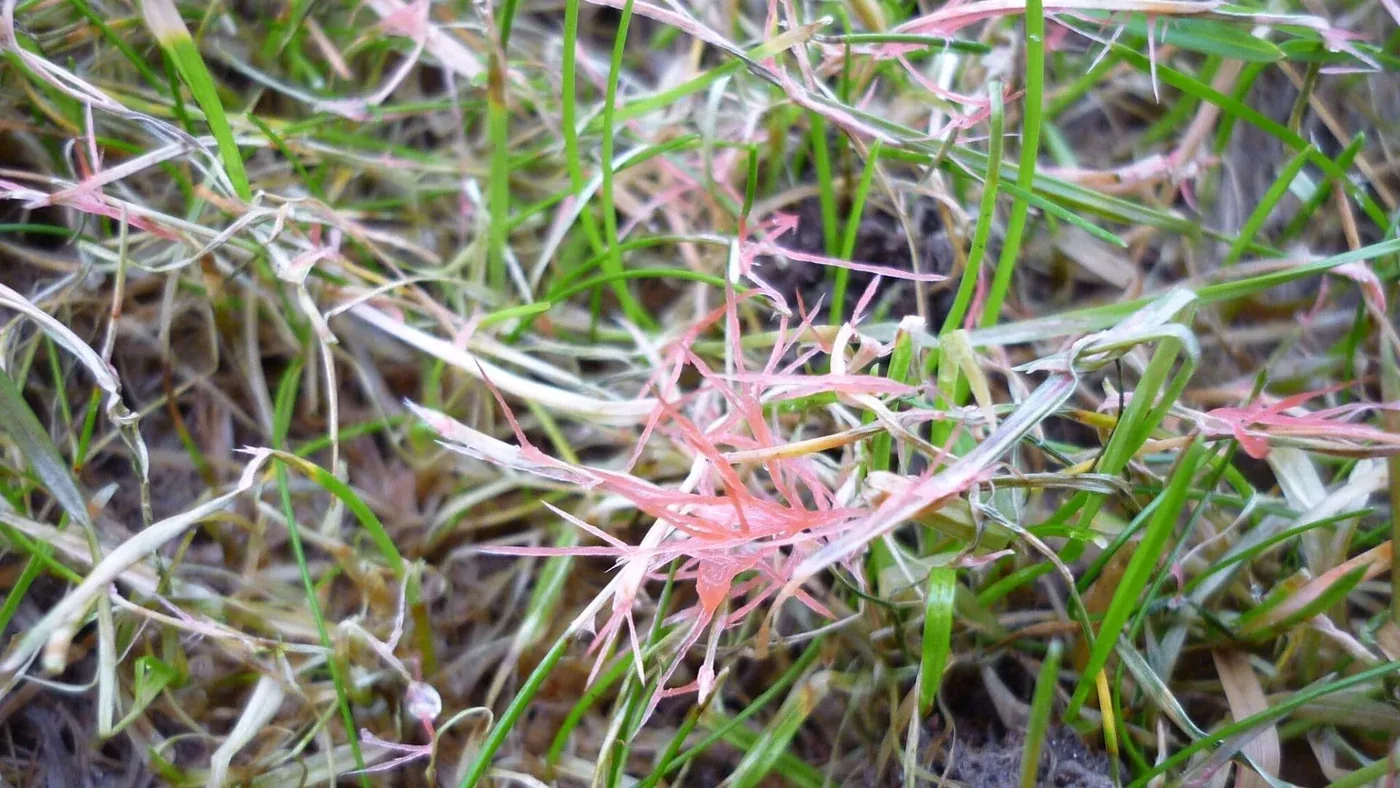
- Irregular patches of pale pink, reddish or straw-coloured grass.
- Grass blades that appear bleached, brown or dead.
- Fine coral-red, thread-like structures attached to the leaf tips.
- Pink, cotton-wool-like fungal growth under humid conditions.
The red structures are the characteristic feature that distinguishes red thread from many other turf problems.
Accurate identification matters. Fusarium patch, pink patch, nutrient deficiencies and other turf disorders can produce similar discolouration. If the symptoms do not match the typical red threads, the cause should be confirmed before treatment begins.
2. What causes red thread on bowling greens?
Red thread is rarely the result of a single factor. It is usually the interaction between the fungus, weather conditions and the susceptibility of the turf.
Low nitrogen availability
The most important factor to investigate is often nitrogen availability.
Nitrogen is essential for leaf production, chlorophyll formation and normal grass growth. When the available nitrogen supply is insufficient for the needs of the turf, grass growth slows and the sward becomes more susceptible to red thread.
This is particularly relevant on bowling greens, where the grass is maintained at a low cutting height and is subject to frequent mowing and play.
A green may look well maintained while still lacking sufficient available nitrogen. Heavy rainfall can leach nutrients from certain rootzones, particularly free-draining, sand-dominated constructions. Consequently, a fertiliser programme that was previously adequate may not always meet the green's changing requirements.
However, low nitrogen is not the explanation for every outbreak. Some attacks occur despite apparently adequate nutrition, so other contributing factors must also be considered.
Mild weather, moisture and prolonged leaf wetness
Red thread favours conditions in which the grass remains damp for extended periods.
Heavy dew, persistent rainfall, humid weather and poor air movement can all prolong leaf wetness. Mild temperatures combined with these conditions provide a favourable environment for disease development.
This explains why an outbreak may appear suddenly following a spell of wet weather, even when the green has previously looked healthy.
Compaction, thatch and poor surface conditions
Compaction can restrict root development and reduce the movement of air and water through the soil. Excessive organic matter or thatch can also retain moisture around the turf canopy.
These conditions may leave the grass under stress and encourage prolonged dampness at the surface.
It is important to remember that red thread is not proof of poor drainage. A well-constructed bowling green can still develop the disease if nitrogen availability is low and weather conditions are favourable.
Susceptible grass species and general turf stress
Some grass species and cultivars are more susceptible than others. Fine fescues, which are commonly used on bowling greens, can be affected by red thread.
The grass's overall condition also matters. Inadequate nutrition, restricted rooting, unsuitable moisture conditions and excessive maintenance stress can reduce its ability to recover quickly from disease.

3. How can red thread be prevented?
The objective of prevention is to maintain a healthy, resilient sward and reduce the conditions that allow the disease to become established.
No programme can guarantee that red thread will never appear, because the fungus is widespread in the environment. Good management can, however, reduce the likelihood and severity of outbreaks.
Maintain a balanced fertiliser programme
A properly planned nutrition programme is the first line of defence.
Nitrogen inputs should reflect the grass species, rootzone, cutting regime, season, weather and expected playing demands. The aim is to provide enough nitrogen to sustain healthy growth without encouraging excessive, soft growth that compromises playing quality or increases other disease risks.
If red thread repeatedly appears, review the fertiliser history rather than automatically applying more product. Consider the amount of nitrogen supplied, the timing of applications, rainfall since application and whether the rootzone is retaining nutrients effectively.
Soil and, where appropriate, tissue testing can help inform decisions. Rootzone testing should be interpreted alongside the green's construction and maintenance history.
Manage moisture and remove dew
Where practical, switch or brush the green in the morning to remove heavy dew. This reduces the period for which moisture remains on the grass leaves.
Good air movement is also beneficial. Overhanging vegetation and sheltered areas can contribute to prolonged dampness, although any changes should be balanced against the club's wider requirements.
Irrigation should be based on actual turf needs. Avoid unnecessary watering when the rootzone already contains sufficient moisture.
Maintain aeration and control organic matter
A suitable aeration programme helps maintain the physical condition of the rootzone and supports healthy rooting.
Scarification, verticutting and other organic-matter management operations may be appropriate where thatch is excessive. However, these are not emergency treatments for active red thread and should be scheduled according to the condition of the green, the season and the playing calendar.
On a bowling green, aggressive or poorly timed operations can damage the playing surface. The aim is to improve the growing environment without compromising smoothness, firmness or pace.
Monitor the green and keep records
Regular inspection allows the greenkeeper to spot disease early and identify recurring patterns.
Record the location and extent of affected areas, recent weather, fertiliser applications and any maintenance changes. If the same areas repeatedly develop red thread, investigate whether there are local differences in drainage, shade, soil structure or nutrient availability.
This approach turns disease management from a reactive exercise into a planned part of greenkeeping.
4. How do you get rid of red thread once it appears?
When red thread is visible, the priority is to confirm the diagnosis, assess the condition of the turf and correct the underlying cause.
Step one: Confirm the diagnosis
Inspect the affected grass closely for the distinctive red, thread-like fungal structures.
If these are absent, or the patches are spreading unusually quickly, consider whether another disease or turf disorder is responsible. Misdiagnosis can lead to unnecessary applications and delay the correct remedial work.
Step two: Review nitrogen availability
If the green is deficient in available nitrogen, a carefully judged application of a suitable nitrogen-containing fertiliser will often provide the most effective response.
This encourages the grass to produce healthy new leaf growth, helping it recover from the damaged tissue and reducing the impact of the disease.
The application rate should be determined by the existing fertiliser programme, the condition of the green, the season and the product being used. Avoid applying an excessive amount in an attempt to force a rapid recovery.
On a fine bowling green, excessive growth can create additional mowing demands and affect playing consistency. Nutrition must be corrected without creating a new management problem.
Step three: Reduce prolonged surface moisture
Remove heavy dew when conditions allow and avoid unnecessary irrigation.
Check whether poor airflow, localised water retention or excessive organic matter is contributing to the problem. Address these issues appropriately, but do not undertake disruptive aeration or scarification solely because red thread has appeared.
Step four: Collect affected clippings where practical
Collecting clippings can help remove infected plant material from the surface. Mow affected areas after healthy areas where practical, and clean machinery to limit the movement of contaminated debris.
Follow sensible equipment hygiene procedures, particularly when moving between greens or other managed turf areas.
Step five: Allow the turf to recover
Red thread primarily damages leaf tissue rather than attacking the roots. Once conditions improve and healthy growth resumes, affected turf will often recover over the following days or weeks, although the time required depends on the severity of the outbreak and the growing conditions.
The fungus may stop producing obvious symptoms before the green has regained its full appearance. Brown or straw-coloured leaves do not immediately turn green again; recovery depends on new growth replacing damaged tissue.
Avoid trying to accelerate recovery through excessive fertiliser, unnecessary watering or disruptive maintenance.
5. Do bowling greens need a fungicide for red thread?
In most cases, no.
Red thread is generally managed through appropriate nutrition and good cultural practices. Fungicide treatment is not usually necessary because the disease rarely causes permanent damage to an otherwise healthy sward.
A professional turf specialist may consider a fungicide where disease is severe, persistent or causing unacceptable damage to a high-value playing surface. Before doing so, the diagnosis and underlying maintenance conditions should be reviewed.
Any product used in the UK must be authorised for the intended use, and its label and applicable regulations must be followed. Product availability and permitted uses can change, so greenkeepers should check current authorisation rather than relying on historic recommendations.
For most bowling clubs, correcting a nutritional deficiency and improving turf management is the sensible first response.
6. What should a greenkeeper do if red thread keeps returning?
Repeated outbreaks should prompt a review of the whole maintenance programme.
Ask the following questions:
- Is the nitrogen programme appropriate for the green's rootzone and growth demands?
- Has heavy rainfall reduced nutrient availability?
- Is excessive thatch or compaction prolonging surface moisture?
- Is dew remaining on the grass for long periods?
- Are affected areas associated with shade, restricted airflow or localised drainage issues?
- Is the grass recovering properly between outbreaks?
The answers may reveal that the problem is not simply the presence of a fungus, but an underlying weakness in the turf-management programme.
Where the cause remains unclear, consult a qualified sports-turf agronomist or experienced bowling-green specialist. A targeted assessment is more useful than repeatedly applying products without understanding why the disease returns.
Conclusion: Treat the cause, not just the symptoms
Red thread is a common disease of fine turf, but it need not become a major problem for a bowling club.
The most effective approach is to identify the disease accurately, maintain appropriate nitrogen availability, manage surface moisture and preserve a healthy rootzone. Once the underlying conditions are corrected, most affected greens recover without the need for routine fungicide treatment.
For the head greenkeeper, the real objective is not simply to remove the red patches. It is to understand why they developed, restore the grass's health and reduce the risk of another outbreak.
Healthy turf, balanced nutrition and informed maintenance remain the foundations of effective red thread management.