Dollar Spot on Bowling Greens: What Is It, What Causes It and How Can You Prevent It?
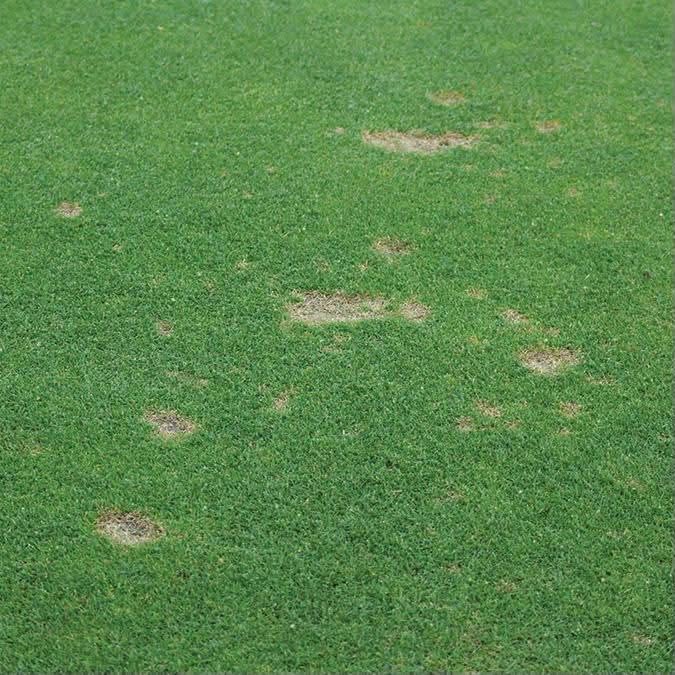
Dollar spot is one of those turf diseases that can quickly turn a healthy-looking bowling green into a frustrating patchwork of small, straw-coloured marks.
For greenkeepers, recognising the signs early and understanding the conditions that encourage the disease are key to keeping it under control. The good news is that good cultural practices can go a long way towards reducing the risk.
What is dollar spot?
Dollar spot is a common fungal disease of fine turf, including bowling greens.
It typically appears as small, circular, straw-coloured or brown patches. Individual spots can be around the size of a coin, although they can vary considerably depending on conditions and turf management. If left unchecked, individual patches can join together, creating larger areas of damaged turf.
On closely mown bowling greens, dollar spot can be particularly noticeable because the symptoms stand out against otherwise healthy turf.
The disease is associated with several different turf and environmental factors, but prolonged periods of leaf wetness combined with insufficient nitrogen are two of the main things greenkeepers should be watching.
What causes dollar spot?
Dollar spot is caused by fungal pathogens and is favoured by a combination of environmental and turf conditions.
Damp leaf surfaces
One of the biggest risk factors is prolonged leaf wetness.
Warm, humid conditions combined with moisture sitting on the leaf overnight can create an ideal environment for disease development. This is why periods of heavy dew, humid nights and limited drying can increase the risk.
Low nitrogen
Dollar spot is often associated with turf that is short of nitrogen.
This doesn't mean the answer is simply to apply large amounts of fertiliser. A steady, well-balanced nutrition programme that maintains healthy, actively growing turf is generally a much better approach.
Turf under nutritional stress is more susceptible, so maintaining adequate nitrogen availability is an important part of prevention.
Warm days and humid nights
Dollar spot can become particularly troublesome when daytime temperatures are warm but nights remain humid.
These conditions encourage moisture to remain on the leaf for longer, increasing the opportunity for infection.
Poor air movement
Greens surrounded by trees, shrubs, buildings or other obstacles can have restricted air movement.
Poor airflow means the turf takes longer to dry, increasing the length of time leaves remain wet.
Compaction and poor drainage
Compacted soils and areas with poor drainage can contribute to a damp growing environment.
If water is slow to move through the profile, the turf may remain wet for longer and become more vulnerable to disease pressure.
Wet mowing
Mowing wet turf isn't ideal from a disease-management perspective.
Wet leaves can allow plant material and potentially disease to be transferred around the green. Where practical, mowing should be carried out when the playing surface is dry.
How do you deal with dollar spot?
Once dollar spot is established, the priority should be to reduce the conditions that are allowing it to thrive.
1. Remove morning dew
One of the simplest and most useful practices is removing dew from the green early in the morning.
A hose, switch, dew brush or similar method can be used to disperse moisture from the leaf surface.
The aim is simple: reduce the length of time the leaves remain wet.
Regular dew removal can be particularly useful during periods of warm weather, high humidity and persistent overnight moisture.
2. Keep the turf adequately fed
Maintaining healthy turf is an important part of managing dollar spot.
If nitrogen levels are too low, the turf can become stressed and more susceptible to disease. A light and regular nitrogen programme is often preferable to allowing the turf to become deficient and then applying a large corrective dose.
However, avoid the temptation to simply throw fertiliser at the problem.
The objective is to maintain balanced, healthy growth rather than encouraging excessive growth that can create a different set of turf-management problems.
3. Improve airflow
Take a look at the green and its surroundings.
Are trees or shrubs restricting air movement? Are there shaded areas where the surface stays damp long after the rest of the green has dried?
Where possible, improve airflow by managing surrounding vegetation and reducing obstructions.
Even relatively small improvements in air movement can help the playing surface dry more quickly.
4. Address drainage and compaction
If dollar spot repeatedly appears in particular areas of the green, consider whether there is an underlying drainage or compaction issue.
Aeration can help improve air and water movement through the soil profile, while addressing localised compaction can encourage stronger root growth and healthier turf.
Good drainage isn't just about preventing standing water — it is about creating a healthier growing environment throughout the rootzone.
5. Avoid mowing wet turf
Where practical, allow the playing surface to dry before mowing.
Mowing wet turf can increase the risk of moving contaminated plant material around the green and can also put additional stress on the turf.
Keeping mowing equipment clean is also good practice when dealing with active disease.
6. Consider fungicides where appropriate
Where dollar spot is severe, persistent or threatening the quality of the playing surface, a suitable turf fungicide may be considered.
However, chemical control should be part of an overall integrated approach rather than the only solution.
For bowling greens in Great Britain, always check that the product is currently authorised for the intended use, and follow the product label and all relevant application requirements.
Repeated use of the same fungicide chemistry can also increase the risk of resistance developing. Good resistance-management practice, including appropriate rotation of modes of action where permitted, is therefore important.
And remember: a fungicide can control the disease, but it won't remove the conditions that allowed it to develop in the first place.
How can you prevent dollar spot?
Prevention is much easier than trying to recover a green once disease has become widespread.
A good dollar-spot prevention programme comes down to managing the fundamentals.
Keep leaves dry
Remove dew where practical, particularly during periods of high disease risk.
Maintain sensible nutrition
Avoid allowing the turf to become nitrogen deficient. Regular, measured applications can help maintain healthy growth without pushing the turf excessively.
Maintain good airflow
Manage surrounding vegetation and identify areas where poor airflow is keeping the green damp.
Aerate when appropriate
Regular aeration can help relieve compaction, improve drainage and encourage a healthier rootzone.
Keep mowing practices sensible
Avoid mowing when the green is wet where possible, and maintain clean mowing equipment.
Monitor the green
Don't wait until dollar spot has spread across the green before taking action.
Regular inspection allows you to identify small patches and changing turf conditions early. Look particularly closely during warm, humid periods when overnight dew is persistent.
The bottom line for greenkeepers
Dollar spot isn't simply a case of spotting a brown patch and reaching for the sprayer.
It is usually a sign that the turf and environmental conditions are favouring disease development.
The most effective long-term approach is to manage those conditions:
Dew removal + sensible nitrogen + good airflow + effective drainage and aeration + good mowing practices = healthier turf and reduced dollar-spot risk.
Chemical control may have an important role when disease pressure is high, but the best defence is a well-managed bowling green that is kept healthy, dry and actively growing.
By monitoring the turf closely and acting before conditions become ideal for the disease, greenkeepers can significantly reduce the impact of dollar spot and keep their greens performing at their best.